Protective styles are meant to do exactly what the name suggests: protect your hair. But not every style labeled “protective” truly supports hair health. When done correctly, protective hairstyles help retain moisture, reduce breakage, and minimize daily manipulation. When done incorrectly, they can cause tension, dryness, and damage. The difference lies in how the style is installed, maintained, and removed.
What Makes a Style Truly Protective?
A protective hairstyle should reduce stress on the hair, keep ends tucked away, and support moisture retention. Styles that pull too tightly, use excessive heat, or remain in too long can do more harm than good. Protection should feel comfortable — not painful — and should support long-term hair health.
Braids & Twists
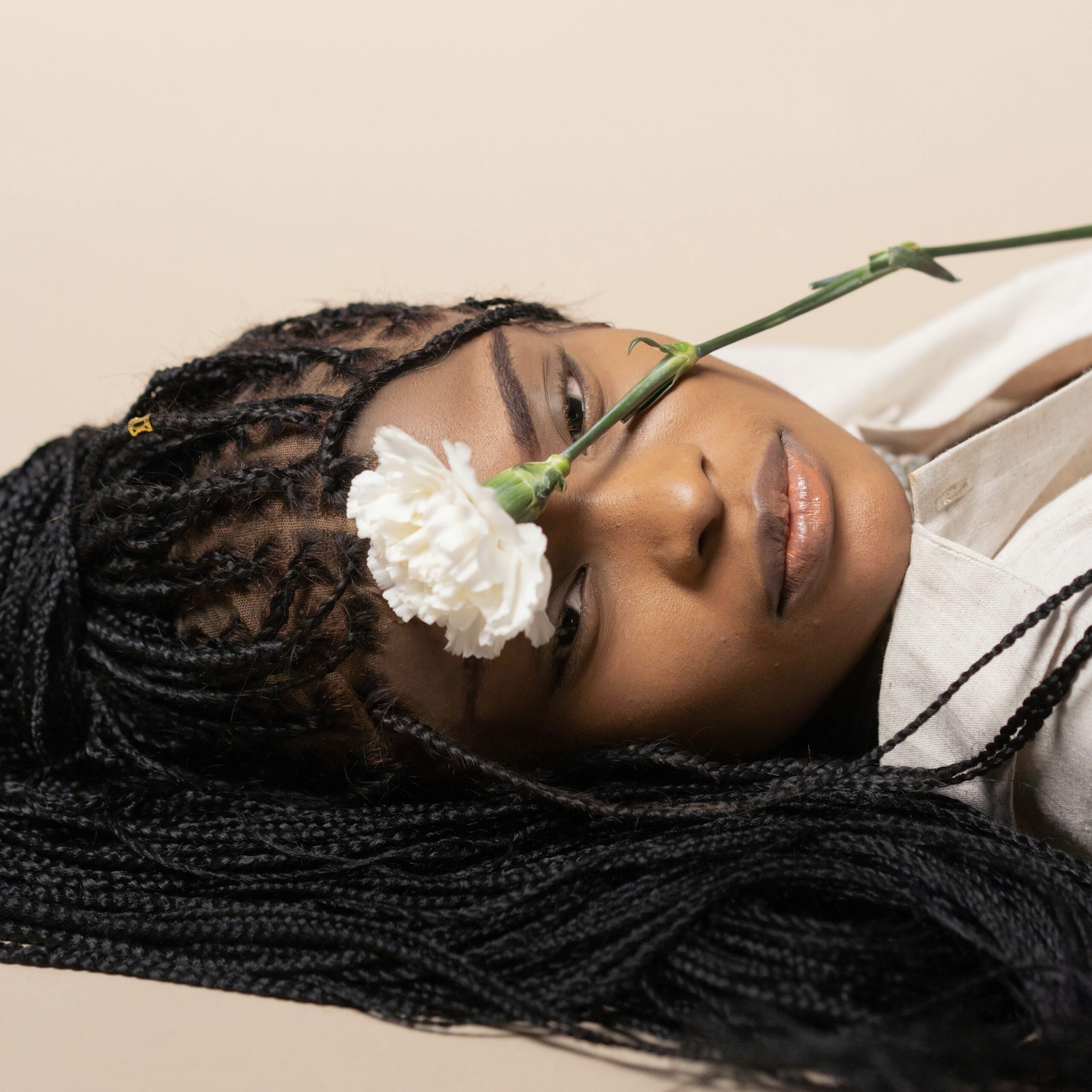
Box braids, knotless braids, two-strand twists, and mini twists can be highly protective when installed with proper tension and hydration. Knotless braids, in particular, reduce stress at the scalp and are gentler on edges.
Best Practices:
- Moisturize hair before installation
- Avoid overly tight parts or heavy extensions
- Keep styles in for no more than 6–8 weeks
Cornrows & Flat Twists
Cornrows and flat twists are excellent low-manipulation styles that protect the hair while keeping the scalp accessible for cleansing and moisturizing. These styles work well alone or as a base for wigs or crochet styles.
Best Practices:
- Ensure parts are not pulled too tight
- Moisturize the scalp regularly
- Take breaks between installations
Buns, Updos & Low-Tension Styles
Low buns, tucked styles, and loose updos protect the ends while allowing flexibility and easy maintenance. These are ideal for everyday wear and professional settings when styled gently.
Best Practices:
- Avoid tight elastics or excessive brushing
- Switch bun placement to avoid repeated tension
- Keep hair moisturized underneath
Wigs & Crochet Styles
Wigs and crochet styles can be highly protective when installed correctly. Wearing a satin-lined wig cap or braiding hair underneath helps minimize friction and breakage.
Best Practices:
- Cleanse and condition natural hair regularly
- Avoid constant glue or adhesive use
- Remove styles nightly when possible
Protective Styling Still Requires Care
Even in protective styles, your hair still needs attention. Cleansing the scalp, moisturizing regularly, and sealing in hydration are essential. Protective styles should never be a “set it and forget it” solution.
The Takeaway
Protective hairstyles should support your hair — not stress it. Comfort, moisture, and maintenance matter just as much as the style itself. When chosen and cared for properly, protective styles can help your hair grow stronger, healthier, and more resilient over time.
At Prince Beauty & Hair, we believe protective styling is about intention, not just appearance. When you protect your hair with care, you’re investing in its long-term health — and that’s always in style.